


Fixing Rotted Fence Posts: A Practical Guide

Rot in fence posts is a common problem, especially in areas with high humidity and frequent rain. If you have wooden fence posts, you might have noticed signs of decay or softness near the base. Left untreated, rot can weaken your fence and cause it to lean or collapse. I’ve dealt with this issue many times, and I want to share what I’ve learned about fixing rotted fence posts effectively. This guide will help you understand the problem and give you clear steps to repair and prevent rot.
Understanding the Problem of Fixing Rotted Fence Posts
Rot happens when wood is exposed to moisture for long periods. In Southeast Louisiana, the climate makes wooden fence posts vulnerable to this. The soil stays wet, and rain is frequent. This creates the perfect environment for fungi that cause wood decay.
When you inspect your fence posts, look for these signs:
Soft or spongy wood near the ground
Cracks or splits in the post
Discoloration or dark spots
Posts leaning or wobbling
If you see any of these, it’s time to act. Fixing rotted fence posts is not just about appearance. It’s about safety and maintaining your property’s value. You don’t want your fence to fall over during a storm or heavy wind.

Close-up of a rotted wooden fence post showing decay near the base.
Step-by-Step Guide to Fixing Rotted Fence Posts
Fixing rotted fence posts can be straightforward if you follow the right steps. Here’s how I approach it:
Assess the Damage
First, check how deep the rot goes. Use a screwdriver or a sharp tool to poke the wood. If it’s soft more than a few inches down, you might need to replace the post.
Remove the Fence Post
If the post is badly rotted, dig around it to loosen the soil. Use a post puller or a digging bar to remove it. Be careful not to damage the fence rails attached to it.
Treat the Hole
Before installing a new post, clean the hole. Remove any loose soil and debris. You can add gravel at the bottom for drainage. This helps prevent future rot.
Install a New Post
Use pressure-treated wood for your new post. These are designed to resist rot and insects. Set the post in concrete for stability. Make sure it’s level and straight.
Seal the Post
Apply a wood preservative or sealant to the part of the post that will be underground. This extra step protects the wood from moisture.
Reattach Fence Rails
Once the concrete sets, reattach the rails and any other fence parts. Check the whole fence for stability.
If the rot is minor and only on the surface, you might be able to repair the post without replacing it. Use a wood hardener to strengthen the soft areas, then fill gaps with an epoxy wood filler. Sand it smooth once dry and paint or seal the post.
For more detailed information on fence post rot repair, you can visit this resource.
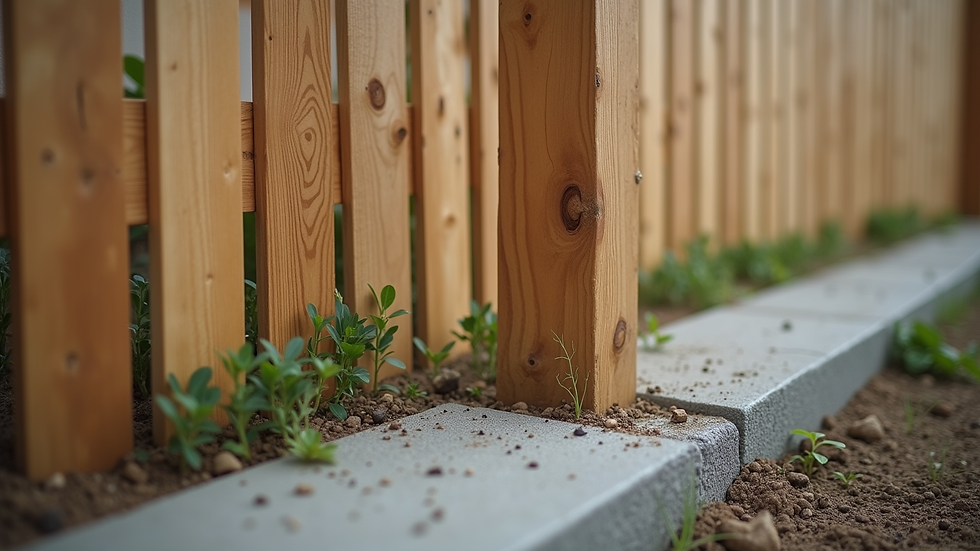
Eye-level view of a new wooden fence post set in concrete for stability.
How to Treat Wooden Fence Posts to Stop Rotting?
Prevention is key. Once you fix your fence posts, you want to keep them from rotting again. Here are some practical tips I use:
Choose the Right Wood
Always use pressure-treated wood for fence posts. It’s treated with chemicals that resist fungi and insects.
Use Gravel for Drainage
When setting posts, add a few inches of gravel at the bottom of the hole. This helps water drain away from the wood.
Apply Wood Preservatives
Before installing, coat the part of the post that will be underground with a wood preservative. Reapply every few years.
Keep Soil Away from the Post
Avoid piling soil or mulch against the post. This traps moisture and speeds up rot.
Regular Inspections
Check your fence posts at least once a year. Look for signs of rot or damage and act quickly.
Proper Installation
Set posts in concrete but slope the top of the concrete away from the post. This prevents water from pooling around the wood.
By following these steps, you can extend the life of your fence posts significantly. It’s a small effort that pays off in the long run.
Tools and Materials You’ll Need for Fence Post Rot Repair
Before you start fixing rotted fence posts, gather the right tools and materials. Having everything ready makes the job easier and faster.
Tools:
Shovel or post hole digger
Post puller or digging bar
Screwdriver or awl (to test wood softness)
Hammer and nails or screws
Level
Saw (if cutting wood)
Paintbrush (for preservatives)
Materials:
Pressure-treated wooden posts
Concrete mix
Gravel
Wood preservative or sealant
Wood hardener and epoxy filler (for minor repairs)
Protective gloves and safety glasses
Make sure you wear gloves and eye protection when working with chemicals and tools. Safety first.
When to Call a Professional for Fence Post Rot Repair
Sometimes, the damage is too extensive or the job too big to handle alone. If you notice multiple posts rotted or your fence is very old, it might be time to get expert help.
A professional can:
Assess the full extent of damage
Replace multiple posts efficiently
Ensure proper installation to prevent future problems
Offer advice on upgrading your fence materials
If you want to avoid repeated repairs and get a fence that lasts, professional service is a smart investment. They have the experience and tools to do the job right the first time.
Fixing rotted fence posts is something you can do yourself with the right knowledge and tools. Remember to act quickly when you spot rot. Use pressure-treated wood, proper installation techniques, and regular maintenance to keep your fence strong and looking good. If the job feels overwhelming, don’t hesitate to reach out to experts who can help. Your fence is an important part of your property, and taking care of it protects your investment for years to come.


Comments